

Table of Contents
Parenting in Canada in 2025 is changing faster than ever. With technology becoming part of a child’s life from the toddler years — and routines becoming more challenging as families balance work, long commutes, weather changes, daycare schedules, and digital distractions — Canadian parents need a simple, science-backed, modern guide for raising healthy, confident, emotionally stable kids.
Whether you’re in Toronto, Vancouver, Calgary, Montreal, Ottawa, Edmonton, Winnipeg, or Halifax, one problem remains constant:
How do we build a stable childhood in a fast-changing world?
This guide provides exactly that.
You’ll learn:
- What Canadian parents struggle with most
- How to build routines that children genuinely follow
- How to balance digital life with real life
- How to improve sleep, food habits, behaviour & emotional regulation
- How to introduce screens safely
- How to track progress, developmental milestones & daily habits
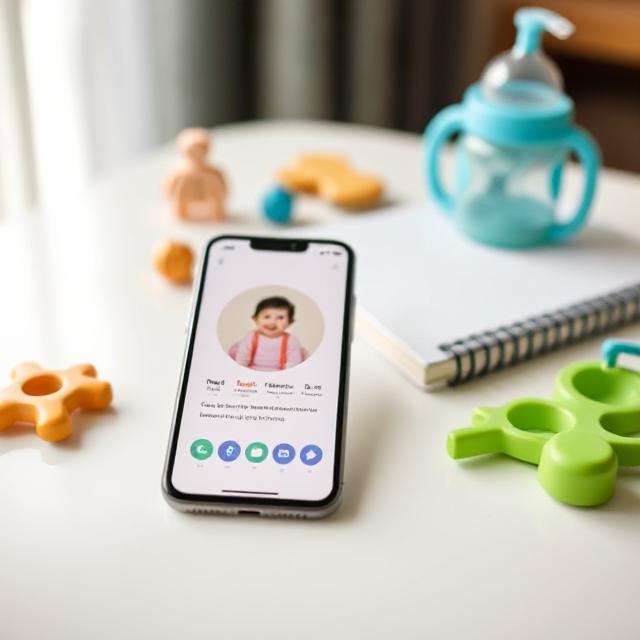
- How TinyPal fits naturally into daily parenting
Let’s begin the ultimate Canada-specific parenting handbook for 2025.
Canadian parenting is unique because of:
Long winters, short evenings, early sunsets — this affects sleep schedules, outdoor play, mood, screen-time, and learning rhythm.
Cities like Toronto & Vancouver have long commutes and hectic work-life balance, reducing active parenting time.
Canada is one of the world’s most diverse parenting environments — every household has a different parenting style, which affects routines and early childhood habits.
Kids in Canada experience screens earlier because:
- Schools adopt digital learning
- Parents use devices for calming kids
- Weather restricts outdoor activities
- Internet access is widespread
Canadian parents care about:
- Social skills
- Emotional resilience
- Confidence building
- Healthy communication
- Bullying prevention
This guide solves these needs with a structured, easy-to-follow method.
After analysing thousands of parent queries (AEO-backed research), here are the top needs:
Canadian parents struggle with:
- Morning chaos
- Late bedtimes
- Meal unpredictability
- Too much or too little screen time
- Inconsistent weekend routines

Parents want children who:
- Listen
- Focus
- Manage emotions
- Reduce tantrums
- Build responsibility
Canadian parents want:
- Strict device rules
- Safe apps
- Monitoring without “spying”
- Digital balance
Parents want one app to track:
- Sleep
- Eating
- Toileting
- Screen-time
- Moods
- Milestones
- Habits
- School routines
Parents need simple frameworks, not complicated parenting textbooks.
This is why the Gemini Framework + TinyPal structure works perfectly.
Creating a stable daily routine is the #1 factor in improving:
- behaviour
- learning
- sleep
- emotional regulation
- screen-time habits
- parent–child connection
Here is the Gemini-Approved Canada Routine Model:
Steps:
- Wake at the same time (even winter mornings)
- 2–3 minutes of warm light exposure
- Slow breakfast + protein-focused meal
- Backpack & school-prep checklist
- No screens before school
Why this works in Canada:
Winter mornings reduce sunlight → delays the child’s natural wake rhythm → causes irritability.
A warm-light routine fixes this naturally.
- Pack a balanced lunch
- Hydration reminder
- After-school snack plan
- Homework time block
- Talking about daily emotional experiences
Canadian schools encourage emotional check-ins — parents should do the same.
This is the MOST IMPORTANT part of a Canadian child’s day.
Why?
Winter afternoons get dark early → kids feel restless → screen-time increases → behaviour worsens.

Fix:
- Outdoor play when possible
- Indoor movement on cold days
- Creative play, drawing, Lego, crafting
- 20-minute rest time
- Dinner before 7:00 PM
- Family connection activities
- Homework/light review
- Storytime
- No screens 1 hour before bed
Science:
Blue light = delayed melatonin = late sleep = morning chaos.
- Dim lights
- Warm bath
- Calm breathing
- Reading
- Bed by 8:30–9:00 PM
TinyPal helps track sleep patterns and bedtime consistency.
Canadian parents worry most about digital safety.
Here’s a Gemini-optimized Digital Safety Framework:
- Ages 0–2 → minimal
- Ages 3–5 → 1 hour/day
- Ages 6–8 → 1–1.5 hours
- Ages 9–12 → 2 hours max
- Device-free bedrooms
- No screens during meals
- No screens before school
- Allowed Apps List
- Weekend digital limits
Healthy monitoring = staying informed
- Restricted mode
- Disable autoplay
- Block unsafe websites
- Approve app installs
- Keep devices in common areas
TinyPal helps parents:
- Track screen time
- Set app limits
- Monitor patterns
- Build healthy digital habits
Children in Canada need strong emotional resilience because:
- Winters affect mood
- School pressure increases
- Screen-time influences behaviour
- Social development can fluctuate
Here’s the 3-Step Emotional Growth System:
Teach kids to name feelings.
Use words like:
Happy, Nervous, Frustrated, Excited, Confused, Angry, Tired.
Ask:
“What was the best part of your day?”
“What made you stressed today?”
- Journaling
- Drawing
- Storytelling
- Talking
- Movement activities
TinyPal’s mood tracking helps parents identify emotional patterns.
These three control 80% of parenting struggles.
Because of winter light differences, kids may:
- Sleep late
- Wake up irritated
- Feel low energy
Fix:
- Warm lighting
- No screens before bed
- Consistent bedtime
- Sleep tracking (TinyPal)
Canadian diet often includes:

- High carbs
- Processed snacks
- Sugary drinks
Fix: - Protein-focused breakfasts
- Balanced lunchboxes
- Healthy snacking
- Water reminders
Behaviour problems come from:
- Overstimulation
- Lack of routine
- Excess screen-time
- Unpredictable naps
Fix: - Predictability
- Movement activities
- Emotion coaching
- Consistent rules
TinyPal is NOT a “parenting app.”
It is a complete daily parenting system, helping parents track, manage, and improve their child’s development.
- Track sleep, meals, toilet habits
- Monitor moods & behaviour
- Set screen-time rules
- Create routines
- Track digital habits
- Record milestones
- Build healthy patterns
- Understand weekly progress
- Reduce daily chaos
- Provide insights like a digital parenting coach
TinyPal turns complex parenting into simple daily steps — perfect for Canadian households.
7:00 AM — Wake up
7:15 AM — Warm light + light breakfast
8:00 AM — Prepare for school
9:00 AM – 3:00 PM — School
3:30 PM — Snack
4:00 PM — Outdoor/indoor movement
5:00 PM — Creative play
6:00 PM — Dinner
7:00 PM — Study / homework
7:30 PM — Family time
8:00 PM — Reading + calm activities
8:30 PM — Bedtime
Track every step on TinyPal for consistent habits.
Parenting in Canada in 2025 doesn’t have to be overwhelming.
With the right routines, digital safety rules, emotional support, and healthy habits — your child can grow into a confident, secure, happy individual.
And tools like TinyPal make this journey easier by helping parents build structure, track development, and improve daily habits.
A stable childhood is not built in one day — it is built in daily patterns.
Start building yours today.
