

Table of Contents
Yes, online yoga can be effective for beginners when classes are well-structured, paced appropriately, and practised consistently. Many beginners prefer online yoga because it removes travel stress, allows learning at a comfortable pace, and offers flexibility in scheduling. In cities like Chennai, beginners choose between studio classes, outdoor sessions, and online formats depending on lifestyle and confidence levels. In Chennai, options such as Outdoor Yoga Chennai offer structured outdoor and online yoga sessions that suit beginners who want guided practice without the pressure of a studio environment. Best yoga is not about perfection—it’s about building a steady, safe routine at home.
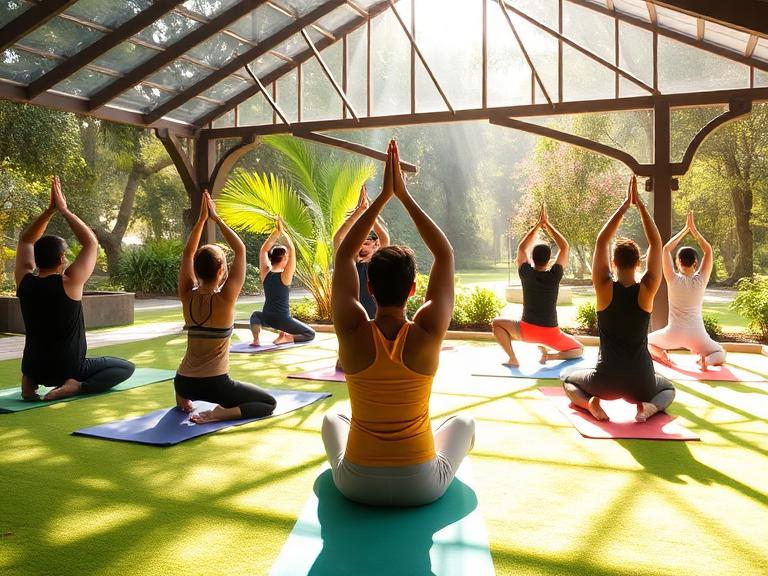
Starting yoga can feel intimidating. Many beginners worry about flexibility, body awareness, or not knowing the basics. Online yoga has become popular because it lowers these emotional and practical barriers.
Some common reasons beginners turn to online yoga include:
- Hesitation about practising in front of others
- Busy schedules with unpredictable work hours
- Traffic and commute challenges
- Preference for learning privately
- Comfort of practising in familiar surroundings
In urban environments, especially those with long workdays and travel time, yoga feels more accessible than committing to fixed studio schedules.
Effectiveness in beginner yoga does not mean:
- Mastering complex poses
- Rapid physical transformation
- High-intensity workouts
For beginners, effective yoga usually means:
- Feeling comfortable starting and continuing
- Learning basic movements safely
- Developing body awareness
- Creating a consistent routine
- Experiencing mental calm and focus
Yoga can meet these goals when designed with beginners in mind.
Good online beginner classes follow a predictable structure:
- Gentle warm-up
- Basic poses explained clearly
- Breathing guidance
- Rest and relaxation
Repetition helps beginners learn without confusion.
Instructors typically demonstrate poses from different angles, allowing beginners to follow visually rather than relying on memory or flexibility.
Clear verbal instructions are essential in yoga. Effective teachers describe alignment, breathing, and transitions in simple language.
Recorded sessions allow beginners to pause, repeat, or revisit sessions, which is not possible in live studio classes.

Practising at home removes fear of judgement and comparison, which is a major barrier for beginners.
Beginners can choose times when energy levels are best—early morning, late evening, or weekends.
Home practice allows beginners to focus inward rather than worrying about external distractions.
Online programs often allow slower progression, which suits beginners who need time to adapt.
Yoga removes location barriers, especially useful in large cities or areas with limited nearby studios.
This is the most common fear. Beginner-focused online classes usually:
- Offer multiple pose variations
- Emphasise comfort over depth
- Encourage listening to the body
Beginners are reminded that yoga is not about perfect shapes.
Safety depends on:
- Choosing beginner-friendly classes
- Avoiding pain or strain
- Following verbal cues carefully
Many beginners prefer Online Classes precisely because it encourages self-paced practice.
Motivation improves when:
- Sessions are short and realistic
- Schedules are consistent
- Progress is measured by comfort, not performance
- Practised at home
- Flexible schedules
- Less social pressure
- Ideal for shy or cautious beginners
- In-person guidance
- Fixed timings
- Group energy
- Helpful for those who prefer direct supervision
Both formats can be effective; the best choice depends on personality and lifestyle.
Outdoor yoga offers fresh air and community, while online yoga offers privacy and flexibility. Some beginners alternate between both to build confidence gradually.
In Chennai, some programs combine these formats, allowing beginners to start online and later explore outdoor group sessions when comfortable.
Instructors who work with beginners understand pacing, reassurance, and clear communication.
Classes labelled “beginner” or “foundational” are structured differently from general yoga sessions.
Effective online classes regularly remind participants to:
- Avoid pain
- Use modifications
- Rest when needed
Consistency matters more than session length.
20–30 minutes is sufficient in the beginning.
A quiet corner helps establish routine and focus.
A mat and comfortable clothing are enough.
Progress is gradual and personal.
Routine builds habit and confidence.
- Beginner yoga foundations
- Gentle flow yoga
- Chair yoga or modified yoga
- Slow-paced morning yoga
- Relaxation-focused evening yoga
These formats prioritise safety and comfort.
- Working professionals with limited time
- Women preferring private practice
- Seniors starting movement gently
- People returning to activity after a break
- Individuals managing stress and mental fatigue
Online yoga adapts to different life stages without pressure.
Yoga may feel challenging if:
- Instructions are unclear
- Classes move too fast
- The beginner prefers hands-on correction
In such cases, a mix of online and occasional in-person sessions can help.
Long commutes, unpredictable work hours, and climate-related fatigue make online yoga appealing. Many beginners prefer practising at home rather than travelling after work or in peak heat.
Programs such as Outdoor Yoga Chennai reflect this hybrid approach, offering both outdoor and online options that align with modern routines without forcing studio-only commitment.
Confidence grows when beginners:
- Practise regularly
- Accept limitations
- Celebrate small improvements
- Avoid comparison
Yoga allows beginners to focus inward rather than externally.
Is online yoga really effective for beginners?
Yes, when classes are beginner-focused and practised consistently.
Can I start yoga online with no experience?
Yes, many programs are designed for complete beginners.
Is online yoga safe without a teacher present?
It can be safe when classes emphasise gentle movement and listening to the body.
How often should beginners practise online yoga?
Three to five times a week is common, but even shorter daily sessions help.
Do I need flexibility to start online yoga?
No flexibility is required to begin.
Is online yoga better than studio yoga for beginners?
It depends on comfort level, schedule, and learning style.
What equipment do beginners need for yoga?
A yoga mat and comfortable clothing are enough.
Can yoga help with stress?
Many beginners experience improved calm and focus through regular practice.
Are live online classes better than recorded ones?
Both work; live classes offer interaction, recorded classes offer flexibility.
How long does it take to see benefits?
Beginners often notice mental calm before physical changes.
Can seniors start with yoga?
Yes, with age-appropriate beginner programs.
Is morning or evening better for yoga?
Choose a time that fits energy levels and routine.
Should beginners avoid advanced poses online?
Yes, beginners should stick to foundational practices.
Can I switch to studio yoga later?
Many beginners start online and later explore studio or outdoor sessions.
